Heartbeat Freight
Complete Agent Training Program

Heartbeat Freight Learning Center

Build Your Freight
Brokerage Expertise.

A structured training program designed to introduce freight brokerage, the US transportation industry, and the customers you will work with.

Start Training
Original Heartbeat Freight logo
TRAINING STRUCTURE15 DAYS

03

Modules

15

Days

US

Market

01 / Learn

Understand the business

02 / Identify

Recognize freight opportunities

03 / Apply

Prepare for customer conversations

Program Overview

Training Program Structure

I recommend a 15-day training program, followed by practical calling and performance evaluation.

15-Day Program
DayTraining TopicExpected Outcome

Module 1

Understanding Freight Brokerage

Learn the role of a freight broker and the three primary parties involved in a shipment.

01.1 / The Fundamentals

What is freight brokerage?

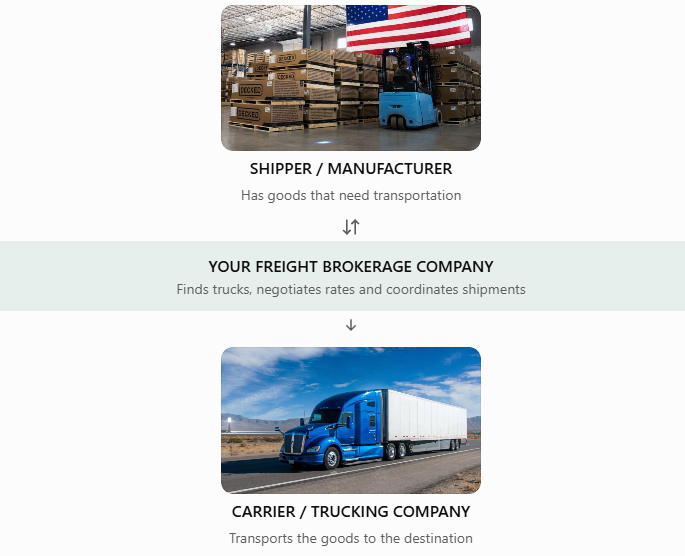
A freight broker acts as an intermediary between a company that needs to transport goods and a trucking company that provides transportation.

There are three primary parties:
Original freight brokerage process diagram
01

Shipper / Manufacturer

Has goods that need transportation.

02

Your Freight Brokerage Company

Finds routes, negotiates rates and coordinates shipments.

03

Carrier / Trucking Company

Transports the goods to the destination.
Worked Example

A freight brokerage example

A manufacturer in Chicago, Illinois, needs to transport goods to Dallas, Texas.

Shipper pays your brokerage

$2,500

Brokerage hires a carrier

$2,100

Your gross profit

$400

This $400 is called the gross margin or gross profit on the load, before operating expenses.

Module 1 / 1.2

Who are your potential customers?

Your agents should focus on three main customer categories.

A

Manufacturers

  • Food and beverage manufacturers
  • Furniture manufacturers
  • Automotive parts manufacturers
  • Steel and metal manufacturers
  • Paper and packaging manufacturers
  • Plastic manufacturers
  • Chemical manufacturers
  • Building material manufacturers
B

Shippers and distributors

  • Wholesale distributors
  • Retail distribution companies
  • E-commerce fulfillment companies
  • Importers and exporters
  • Warehouses and distribution centers
C

Freight forwarders

  • International freight forwarders
  • Air freight forwarders
  • Ocean freight forwarders
  • Customs brokerage companies
  • Third-party logistics providers (3PLs)
An important distinction: freight forwarders can also be customers, but some may be competitors or intermediaries. Agents should qualify each prospect before spending time selling to them.

Module 2

Understanding the US Freight Industry

Explore common trailer and transportation equipment types.

02.1 / Equipment

Common transportation modes

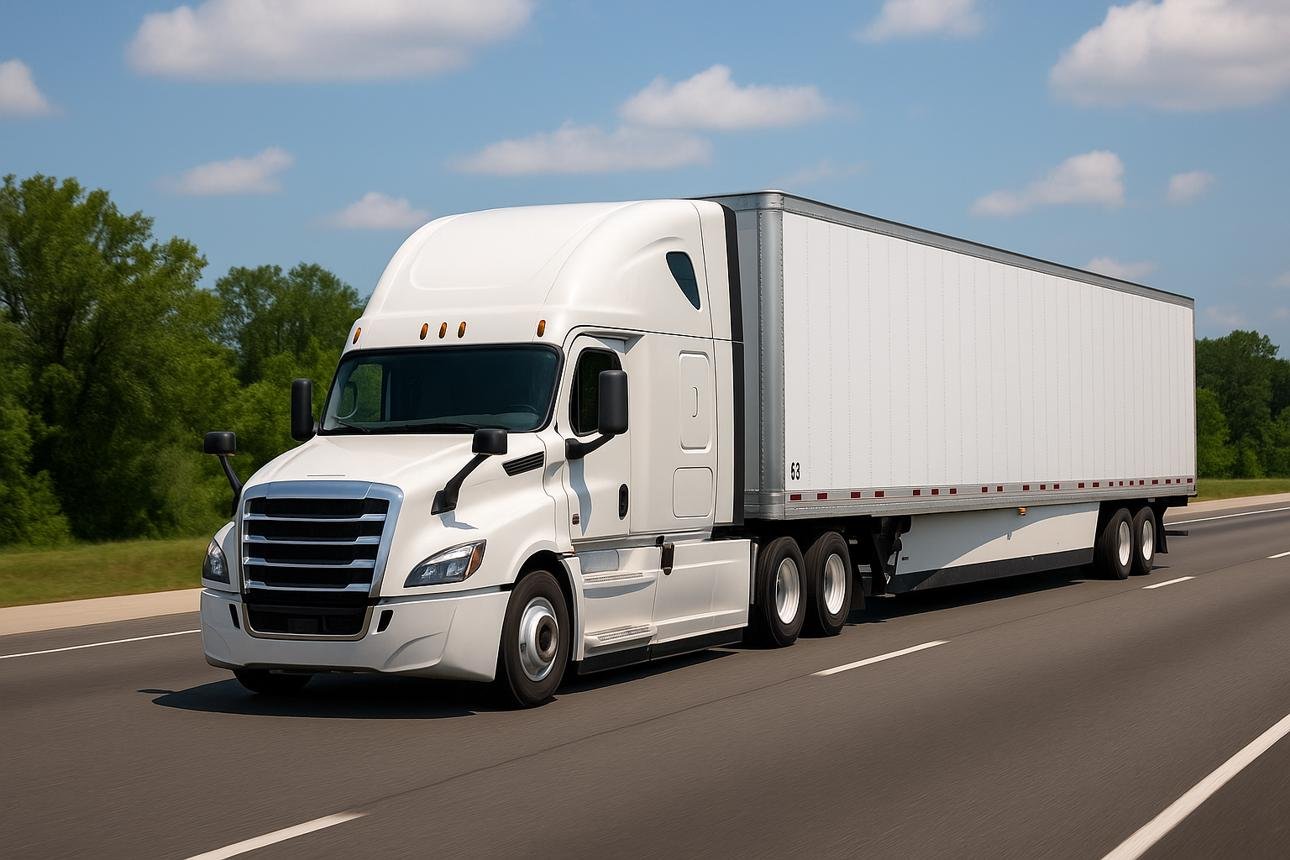
Dry Van truck

Dry Van

Enclosed trailer. Used for packaged goods, furniture, electronics, and general merchandise.

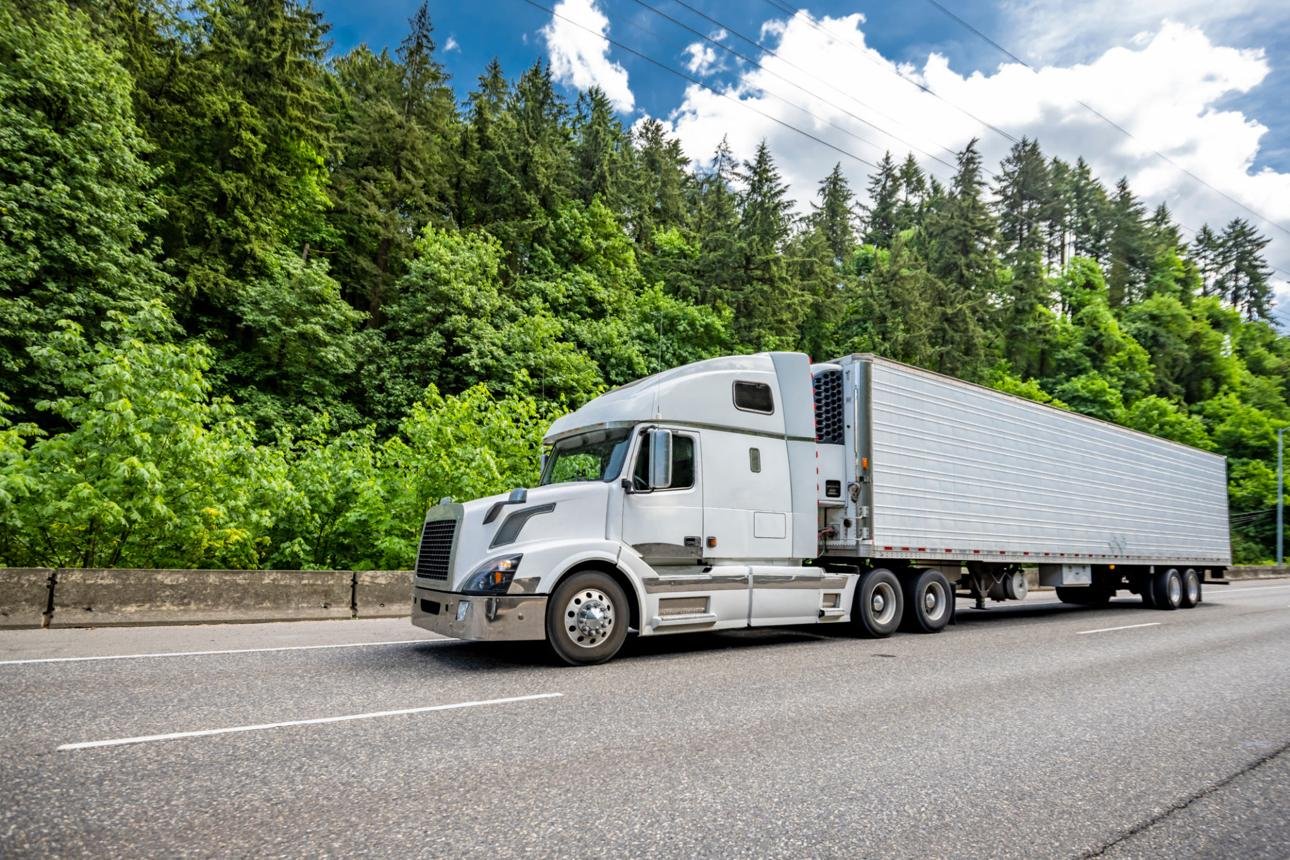
Reefer truck

Reefer

Temperature-controlled trailer. Used for frozen foods, produce, dairy, and pharmaceuticals.

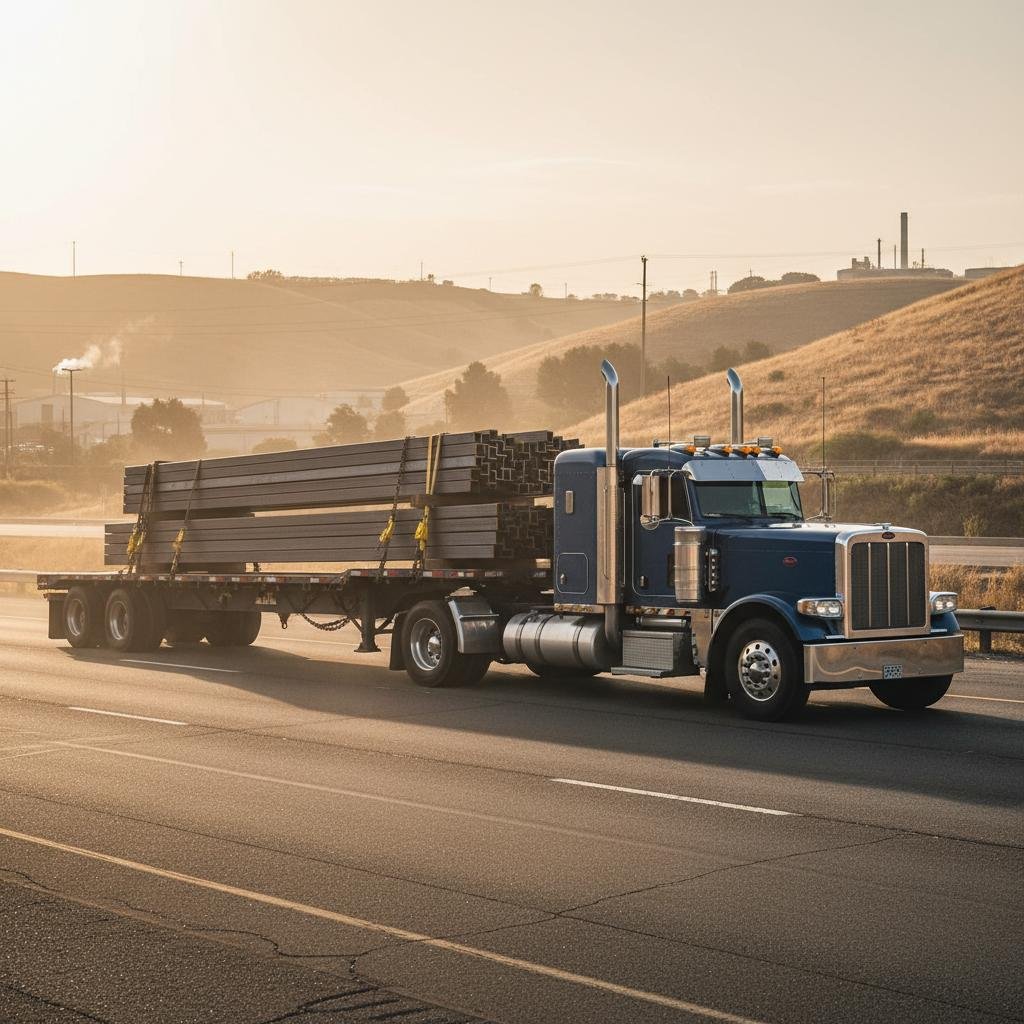
Flatbed truck

Flatbed

Open trailer. Used for steel, lumber, construction materials, and machinery.

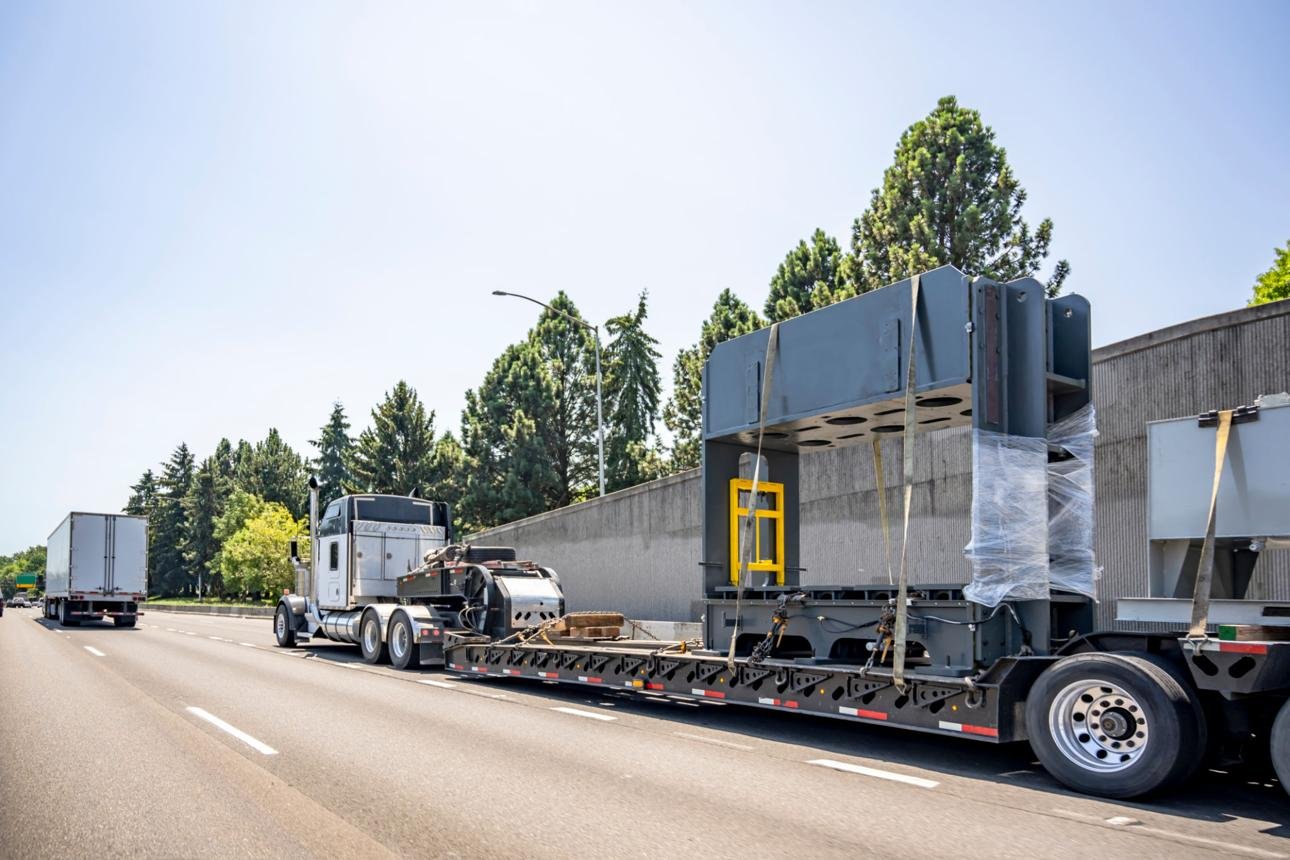
Step Deck truck

Step Deck

Used for taller machinery and equipment that may not fit standard flatbed height restrictions.

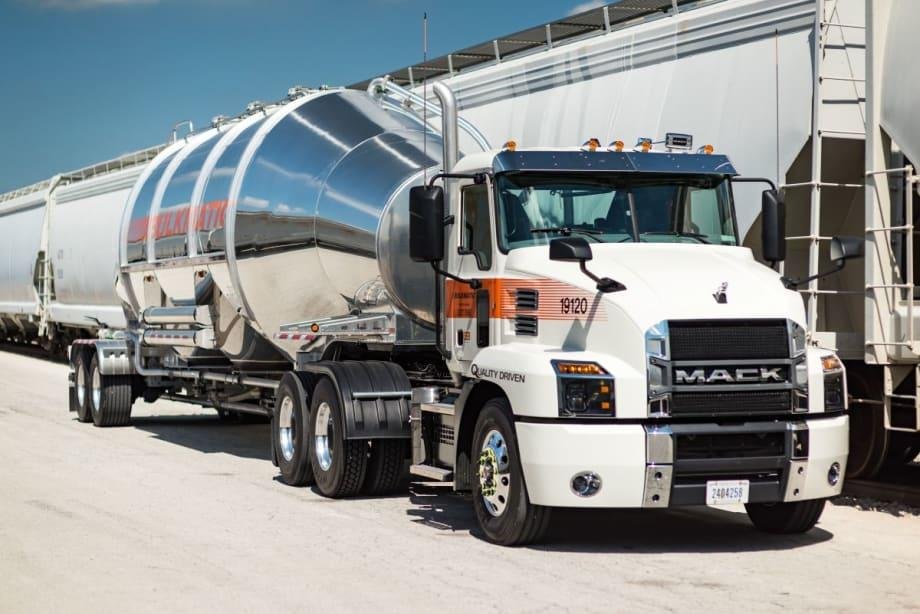
Tanker truck

Tanker

Used for liquid or bulk materials. Requires specialized equipment and qualifications.

Module 2 / 2.2

Important US freight terminology

Agents must learn these terms before making customer calls.

TermMeaning

Knowledge Check

Training exercise

Each agent must explain these terms in simple English without reading the table.

Module 3

Understanding Your Target Customers

Agents should not call every company with the same sales pitch.

They need to understand the business of the person they are contacting.

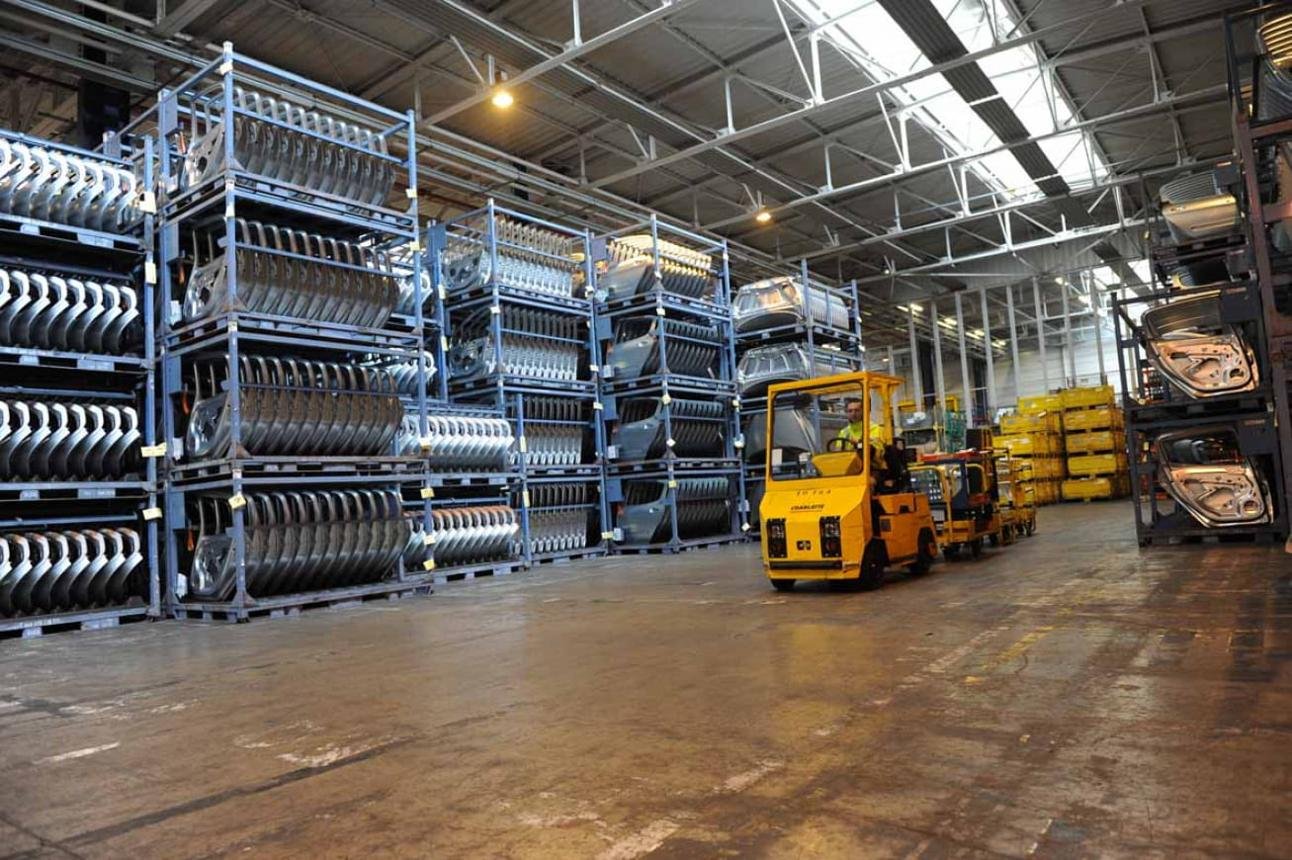
Warehouse and industrial inventory
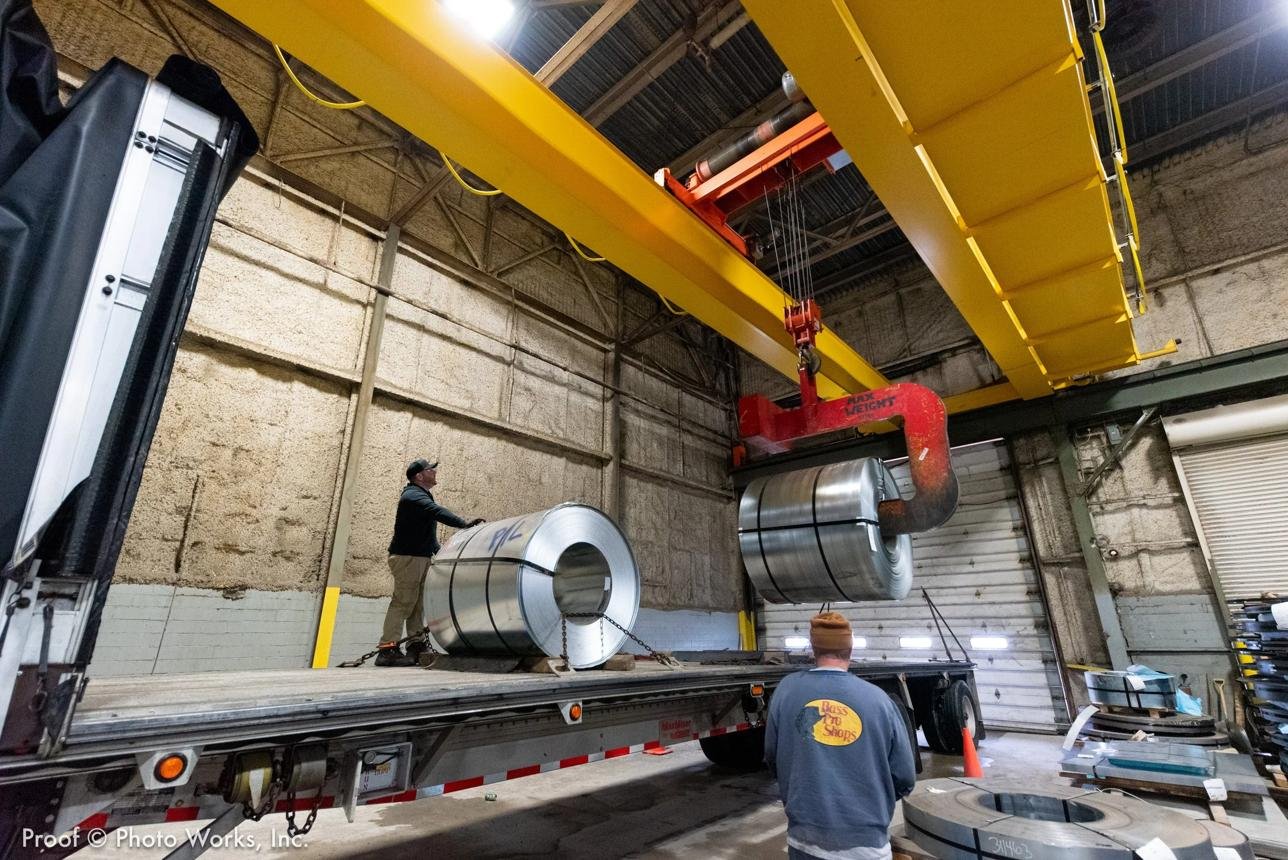
Industrial freight loading
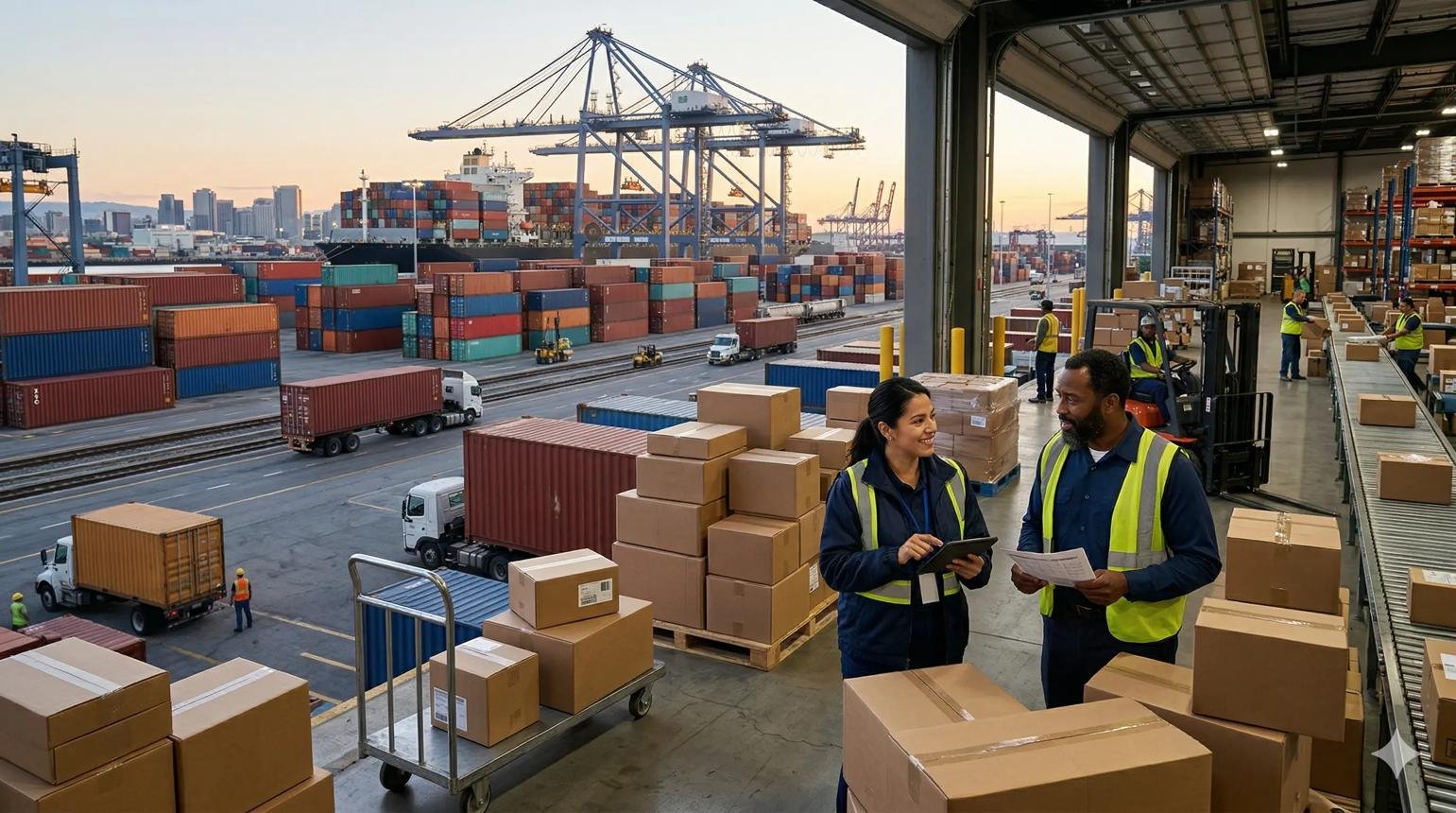
Freight forwarder and cargo operations

Module 3 / 3.1

Manufacturers

Typical decision-makers:

  • Logistics Manager
  • Transportation Manager
  • Shipping Manager
  • Supply Chain Manager
  • Distribution Manager
  • Shipping Coordinator
  • Purchasing Manager

What manufacturers need:

  • Regular transportation capacity.
  • Competitive freight rates.
  • On-time pickups and deliveries.
  • Shipment tracking.
  • Reliable backup carriers.
  • Quick problem resolution.

Agent objective: Find out whether they use outside freight brokers and whether they have any available or upcoming freight opportunities.

Module 3 / 3.2

Shippers and distributors

Typical decision-makers:

  • Warehouse Manager
  • Operations Manager
  • Logistics Director
  • Transportation Coordinator
  • Procurement Manager

Their requirements may include:

Daily outbound shipments, inbound inventory, regional distribution, and seasonal transportation.

Module 3 / 3.3

Freight forwarders

Freight forwarders arrange transportation for their customers, often involving international shipping.

They may require US domestic trucking for:

Port-to-warehouse transportation.
Warehouse-to-port transportation.
Airport cargo pickup and delivery.
Container drayage.
Transloading.
Domestic FTL and LTL movements.

Typical decision-makers:

  • Operations Manager
  • Import Manager
  • Export Manager
  • Domestic Transportation Manager
  • Drayage Manager
  • Procurement Manager
Important: Agents should ask whether the freight forwarder directly controls the domestic trucking procurement or whether its customer selects the truck provider.
Heartbeat Freight original logo

Heartbeat Freight

Thank You.

Complete Agent Training Program